Nitar
Produkter
- View as
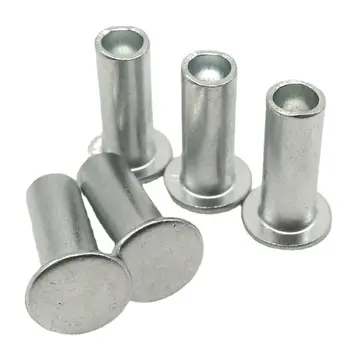
Halvrörsnitar av stål
Halvrörsnitar av stål från Nuote Metals, en fabrik i Kina, erbjuder en kostnadseffektiv fästlösning för allmän tillverkning och konstruktion. Tillverkade av höghållfast kolstål, ger dessa nitar utmärkt skjuvmotstånd för tunga monteringar som ställningar, jordbruksutrustning och stålmöbler. Den halvrörformiga designen fladdar ut smidigt under tryck, vilket minskar installationskraften samtidigt som det behåller ett tätt grepp. Finns med anpassade diametrar, längder och ytbehandlingar – förzinkad, vanlig eller svart oxid. Till skillnad från rostfritt stål ger våra stålnitar jämförbar styrka till ett lägre pris, idealiskt för beställningar med stora volymer. Lös budgetbegränsningar utan att offra tillförlitlighet. Lita på vår fabrik för precision, konsekvens och leverans i tid för dina anpassade halvrörsnitar av stål.
Läs merSkicka förfrågan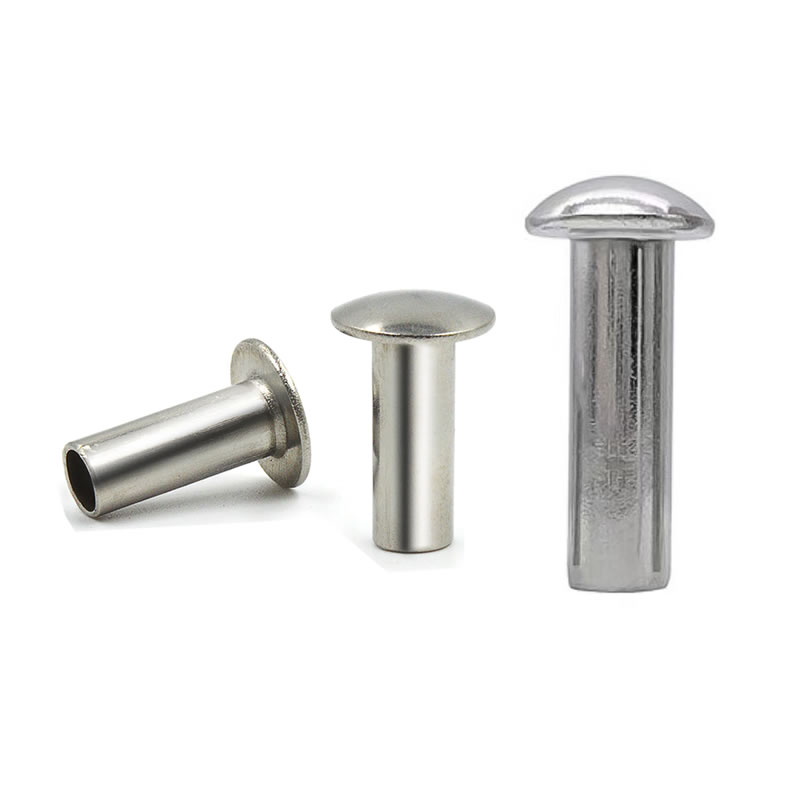
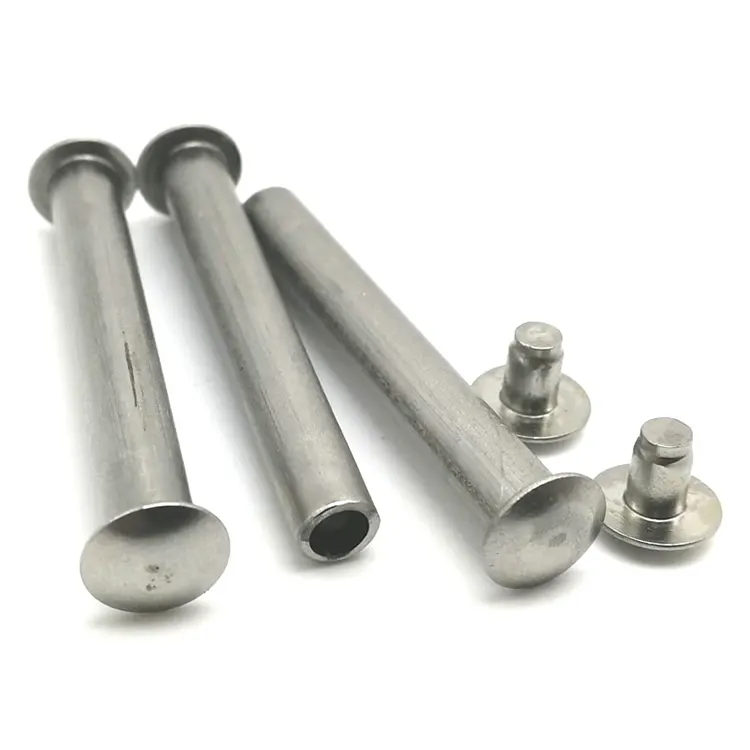
Runda Head Semi Hollow Nitar
Anpassade halvihåliga nitar med runda huvuden – det är vad Nuote Metals, en fabrik i Kina, utmärker sig med. Med en klassisk kupol för jämn lastfördelning och ett semi-ihåligt skaft som lätt stelnar utan överdriven kraft, passar dessa nitar möbler, bilinteriörer och allmän hårdvara. Välj mellan stål, mässing eller rostfritt stål i anpassade mått. Lös lösa fogar och materialsprickor med våra precisionsnitar. Lita på oss för konsekvent kvalitet, snabb leveranstid och skräddarsydda lösningar som matchar dina monteringsbehov.
Läs merSkicka förfrågan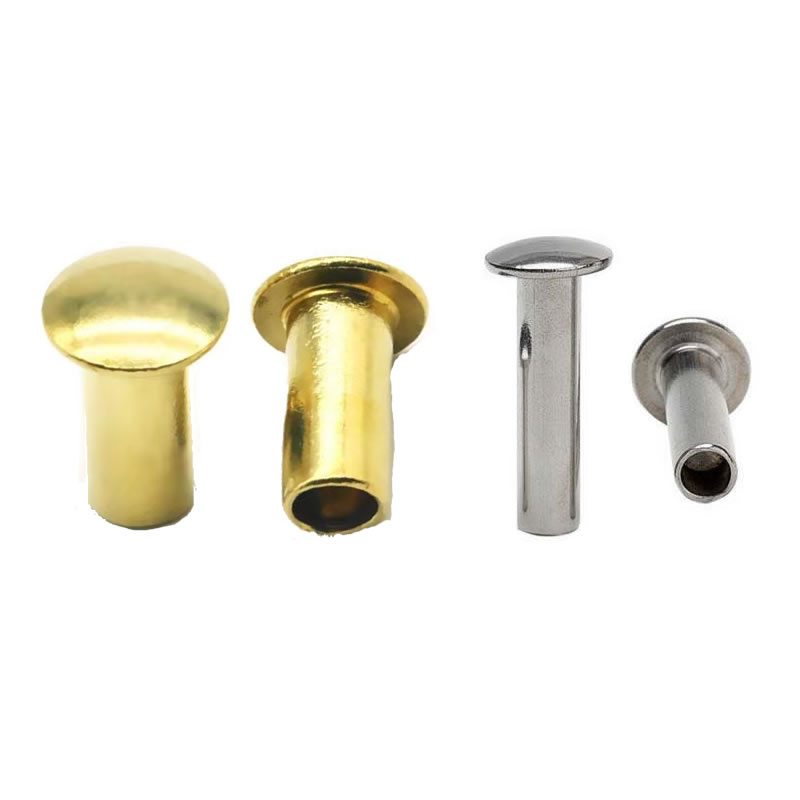
Pan Head Semi Hollow Nitar
För ett måttligt välvt huvud som sitter snyggt ovanför ytan, levererar Custom pan head semi-hollow nitar från vår Kina-fabrik, Nuote Metals, både funktion och finish. Pannhuvudet ger bra klämkraft utan huvuddelen av en hel kupol, medan den halv-ihåliga kroppen minskar köransträngningen och förhindrar skador på underlaget. Idealisk för elektriska kapslingar, möbelbeslag och bilinredning. Finns i stål, mässing eller rostfritt stål. Få konsekvent utstrålning och säkert grepp varje gång. Lita på oss för precisionsgjorda nitar som förenklar din monteringsprocess.
Läs merSkicka förfrågan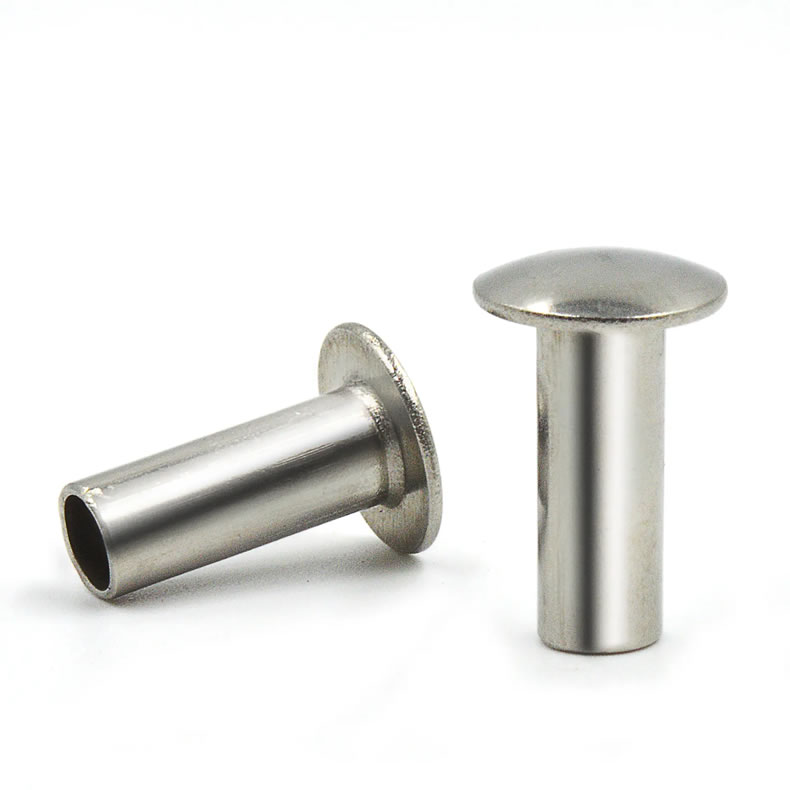
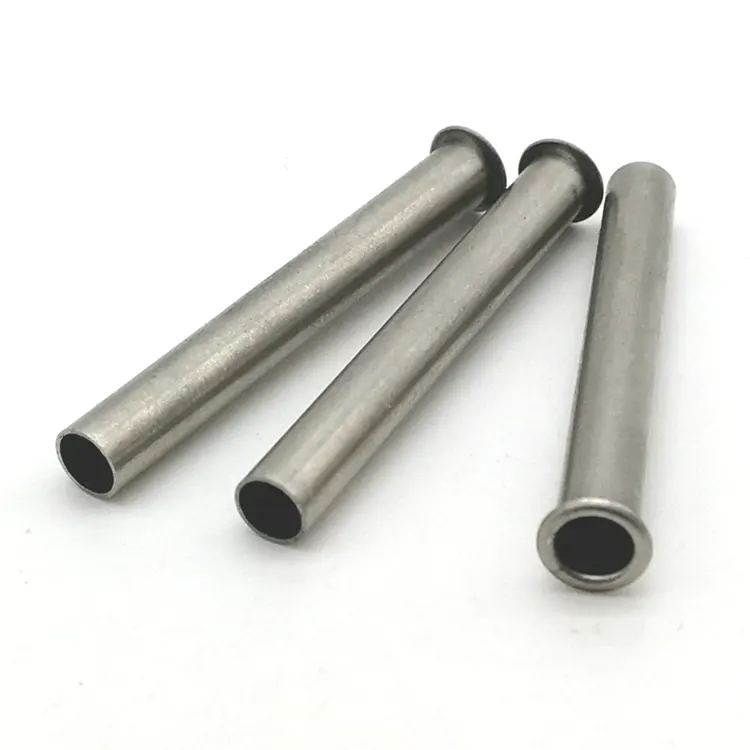
Halvhålnitar i rostfritt stål
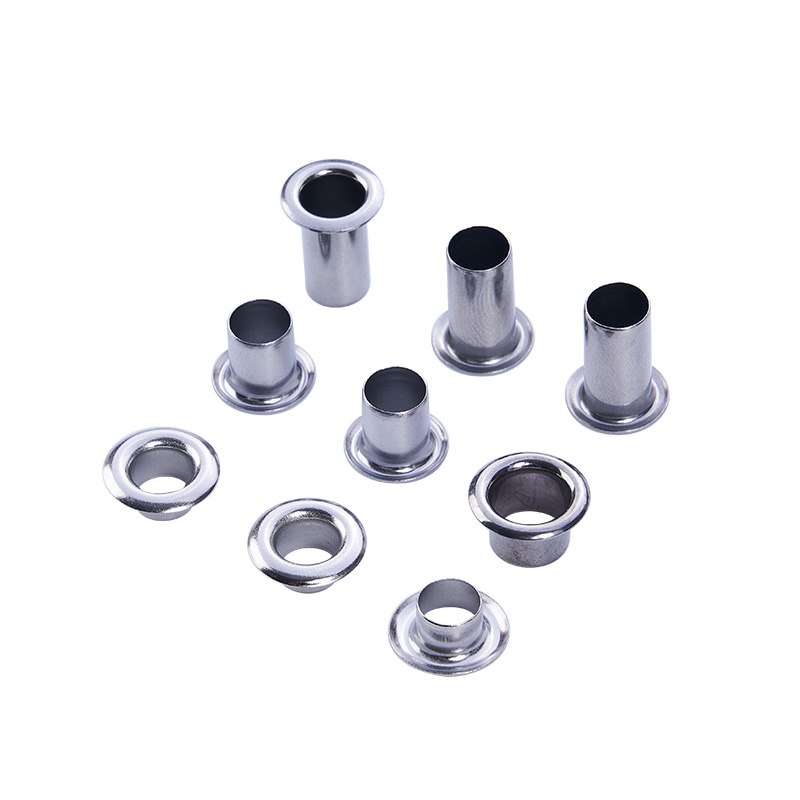
Precisionsfästning för krävande applikationer börjar med anpassade semi-hålnitar i rostfritt stål från Nuote Metals, en fabrik i Kina. Den halv-ihåliga designen minskar installationskraften medan den rostfria kroppen ger utmärkt korrosionsbeständighet och skjuvhållfasthet. Perfekt för marin hårdvara, livsmedelsutrustning och fordonsenheter där rost inte är ett alternativ. Finns i 304 och 316 kvaliteter. Eliminera svaga leder och för tidigt fel. Lita på vår fabrik för jämn kvalitet, snäva toleranser och snabb behandling av anpassade beställningar.
Läs merSkicka förfrågan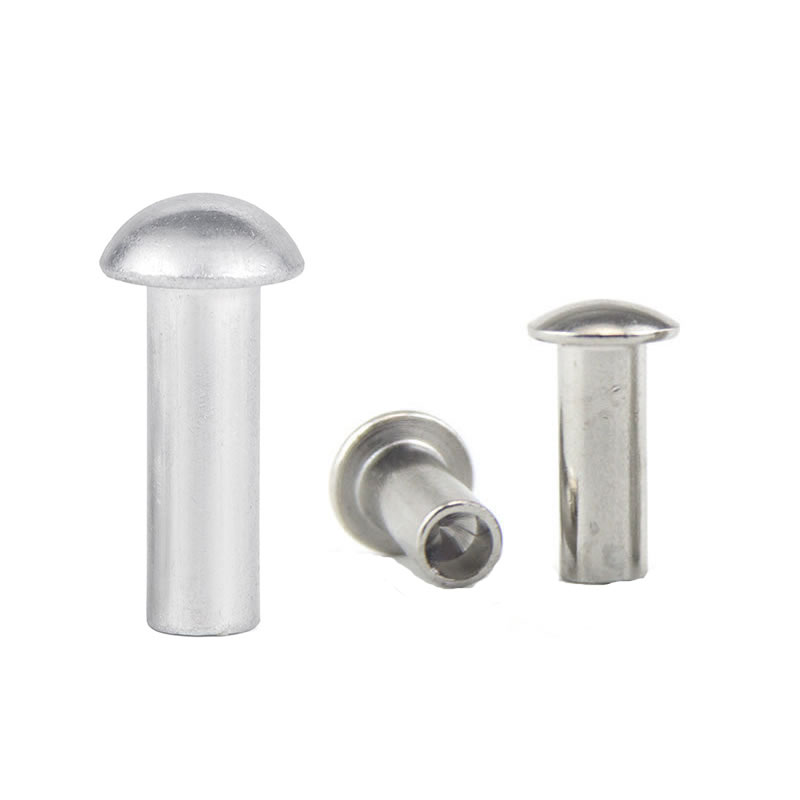
Svamphuvud Semi-ihåliga nitar
När ditt projekt kräver en kupolförsedd nit som fördelar belastningen jämnt, välj anpassade semi-ihåliga nitar från vår Kina-fabrik, Nuote Metals. Det breda huvudet skyddar mjuka material som läder och plast från genomdrag, medan den halv-ihåliga kroppen stelnar med mindre kraft. Idealisk för bagage, verktygshandtag och biltrim. Finns i stål, mässing eller rostfritt stål. Lita på oss för precisionstillverkning som löser fogfel och ytsprickor.
Läs merSkicka förfrågan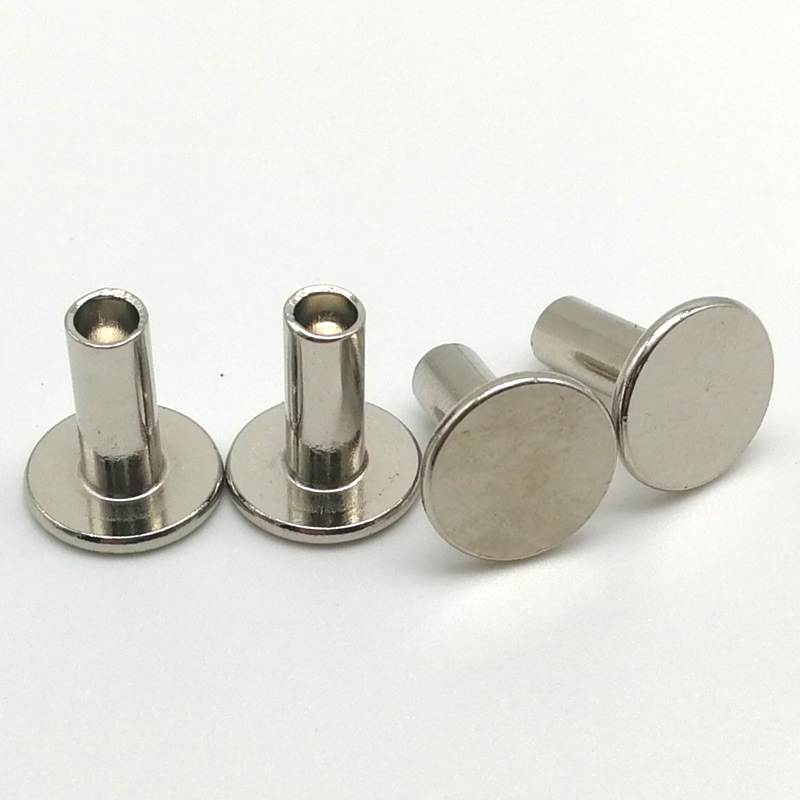
Flat Head Semi Hollow Nitar
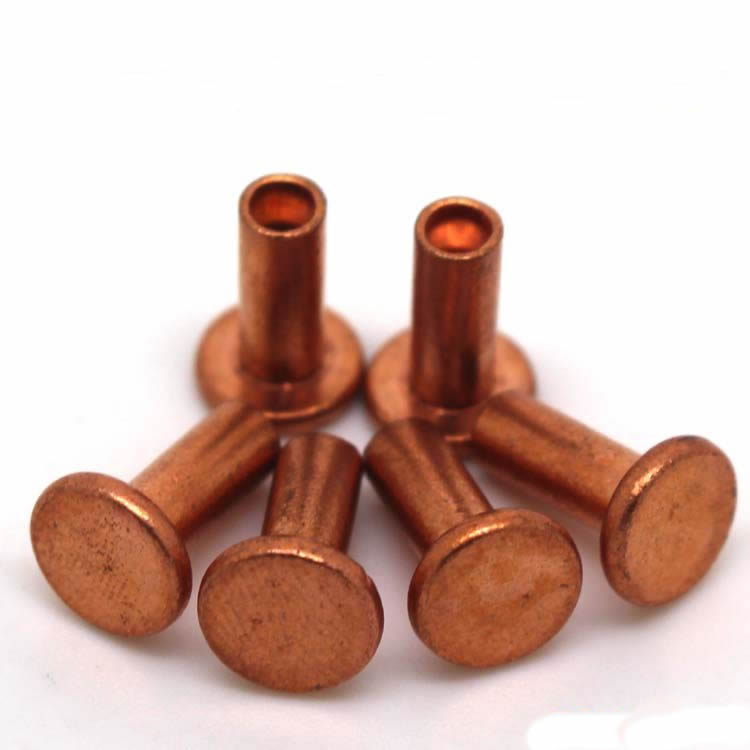
Behöver du en lösning för spolfästning? Nuote Metals från Kina, en professionell fabrik, erbjuder anpassade halvhåliga nitar med platt huvud. Det platta huvudet sitter perfekt i jämnhöjd med materialytor, perfekt för elektronik, namnskyltar och fordonspaneler. Den halv-ihåliga kroppen minskar inställningskraften samtidigt som det bibehåller ett starkt grepp, vilket förhindrar sprickor i spröda material. Finns i mässing, stål och rostfritt stål. Lös ytutsprång och monteringsskador med precisionsnitar. Lita på oss för konsekvent kvalitet som förbättrar din produktfinish.
Läs merSkicka förfråganVilka är fördelarna med nitar framför andra fästelement?
1. Enkel installation
Nitar är snabba att installera och till och med helt automatiserade för applikationer med stora volymer, vilket resulterar i en enkel och effektiv driftprocess.
2. Anslutningssäkerhet
Nitningsprocessen är standardiserad, med strikt kvalitetskontroll, vilket resulterar i mycket stabila anslutningar. Visuell inspektion möjliggör snabb verifiering av anslutningskvalitet.
3. Vibrations- och slagtålighet
Nitar ansluts genom deformation eller interferenspassning, vilket ger stark klämkraft och utmärkt vibrationsmotstånd, som kan motstå vibrationer och stötar.
4. Låg kostnad
Nitar är enkla att installera och kan automatiseras helt, vilket sparar betydande arbetskostnader.
Vilka är fördelarna och nackdelarna med nitar av olika material?
Aluminiumnitar
Fördelar: Lättvikt, minskar produktens totalvikt, låg kostnad, lämplig för allmänna civila tillämpningar.
Nackdelar: Låg drag- och skjuvhållfasthet, olämplig för höghållfasta arbetsstycken, benägen för elektrokemisk korrosion vid kontakt med metaller såsom rostfritt stål.
Nitar i rostfritt stål
Fördelar: Stark korrosionsbeständighet, hög hårdhet, lämplig för höghållfasta arbetsstycken (som marinutrustning)
Nackdelar: Högre kostnad, vanligtvis dyrare än aluminiumnitar med samma specifikation.
Nitar i mässing och koppar
Fördelar: Utmärkt ledningsförmåga (som anslutning av elektroniska komponenter), bra korrosionsbeständighet.
Nackdelar: Högre kostnad, svårare att bearbeta.
Stålnitar
Fördelar: Hög hårdhet, hög anslutningssäkerhet och bred användbarhet.
Nackdelar: Jämfört med andra material är järnnitar mer benägna att rosta.
Vilka är de huvudsakliga användningsområdena för nitar?
Nitar har ett brett användningsområde, från små föremål som en sax till stora föremål som flygplan och fartyg, såväl som i medicinska tillämpningar med hög precision.
Industriell tillverkning
Nitar används inom en mängd olika industriområden, där det finns behov av att koppla samman två eller flera material.
Elektronik
Nitar säkrar kylflänsar och spån, ger både vibrationsdämpning och brusreducering, och används i stor utsträckning i kylsystem för elektroniska produkter som datorer och mobiltelefoner.
Bil
Nitar används i stor utsträckning för att ansluta komponenter till bilkarosser och chassier, såsom dörrar och huvar. Deras lätta och korrosionsbeständiga egenskaper gör dem till en oumbärlig sammanfogningsmetod vid biltillverkning.
Flyg och rymd
Inom flygplanstillverkning används nitar för att koppla ihop olika flygkroppskomponenter, såsom vingar och bakplan. Miljontals nitar skapar höghållfasta, korrosionsbeständiga fogar. Nitar av aluminium och titanlegering används ofta för att ansluta komponenter av motsvarande material, vilket säkerställer stabilitet i extrema miljöer.
Nitar används överallt. Ovanstående exempel representerar bara ett litet antal av deras tillämpningar. Vi ser nitar överallt i vårt dagliga liv, såsom på saxar, hopfällbara sängar och barnvagnar etc. Nitar kan anpassas till olika storlekar och material beroende på applikation.
Nuote Metals har specialiserat sig på nitindustrin i över ett decennium. Vår fabrik ligger i Dongguan, en stad känd som "World Factory", en stad med en utvecklad industri och bekväma transporter. Detta gör att vi kan reagera snabbt när vi skaffar råvaror och stödjer ytbehandlingar, vilket möter våra kunders behov av snabb tillgång till prover och bulkorder. Vi producerar 10 miljoner nitar dagligen och har formar med olika specifikationer, vilket gör att vi kan tillverka nitar så små som 0,8 mm och så stora som 10 mm. Vi välkomnar dina förfrågningar och besök.



X
Vi använder cookies för att ge dig en bättre webbupplevelse, analysera webbplatstrafik och anpassa innehåll. Genom att använda denna sida godkänner du vår användning av cookies.
Sekretesspolicy