Specialnitar
Produkter
- View as
Kopparnitar
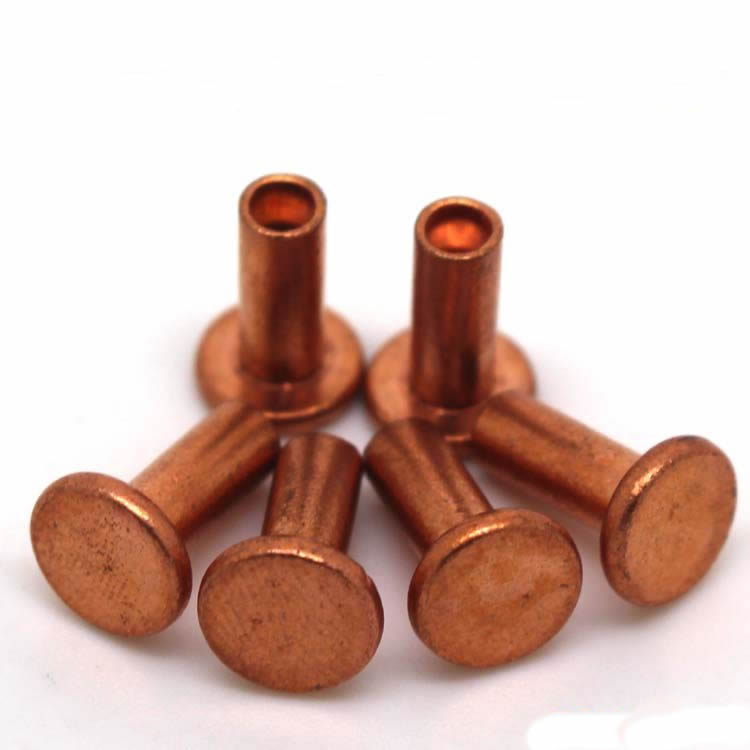
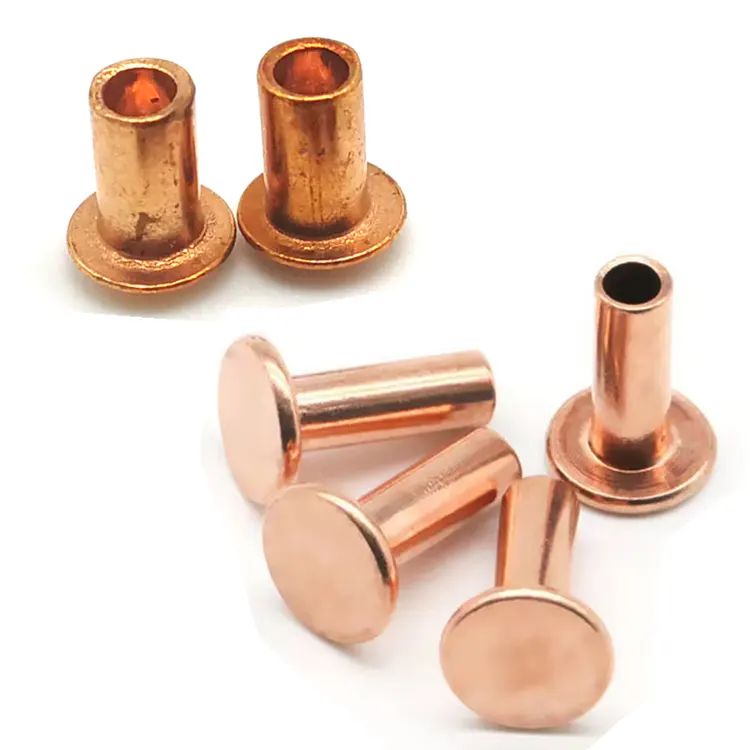
Nuote Metals är en professionell nittillverkare belägen i Dongguan, Kina. Kopparnitarna vi tillverkade är gjorda av C1100 koppar. Kopparnitar är ett vanligt förekommande fästelement. Koppar har utmärkt värmeledningsförmåga, vilket gör dem flitigt använda i elektriska och värmeavledningsapplikationer. Dessutom erbjuder kopparnitar utmärkt bearbetbarhet och plasticitet, vilket gör att de kan tillverkas i en mängd olika former och storlekar.
Läs merSkicka förfrågan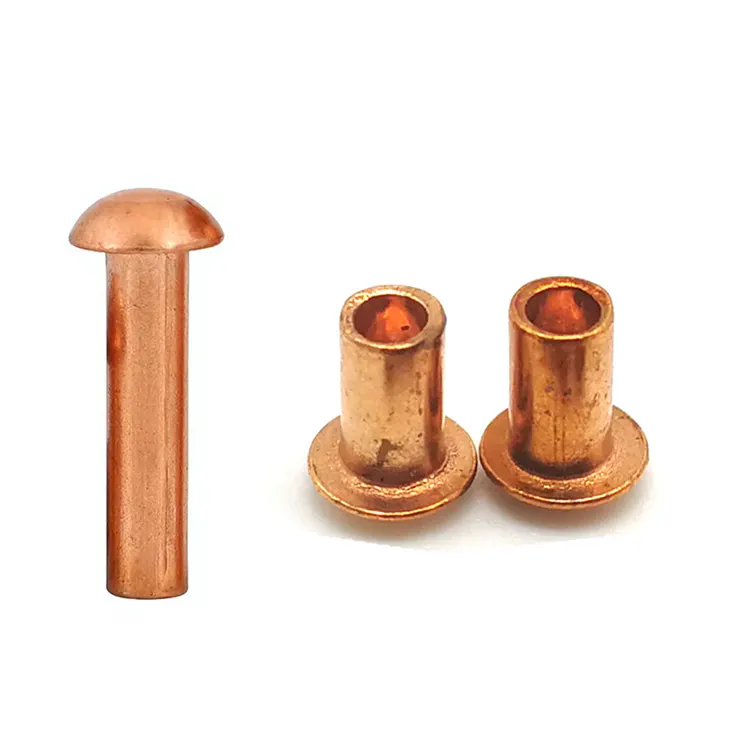
Koppar Pan Head Nitar
Kopparnitar har hög renhet och erbjuder utmärkt ledningsförmåga, vilket gör dem lämpliga för applikationer som kräver hög ledningsförmåga. Nuote Metals är specialiserat på produktion av kopparnitar med pannhuvud. Vi använder högkopparkvaliteter, såsom C1100, men vi kan även tillverka specialkvaliteter. Våra kopparnitar genomgår en speciell ytbehandling för att motstå oxidation och klara ett 48-timmars saltspraytest.
Läs merSkicka förfrågan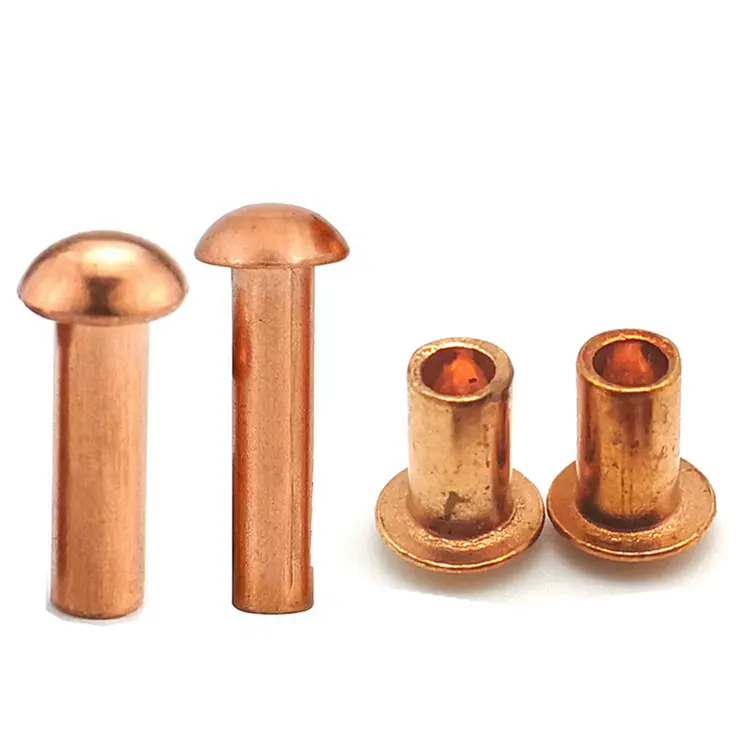
Kopparsvamphuvudnitar
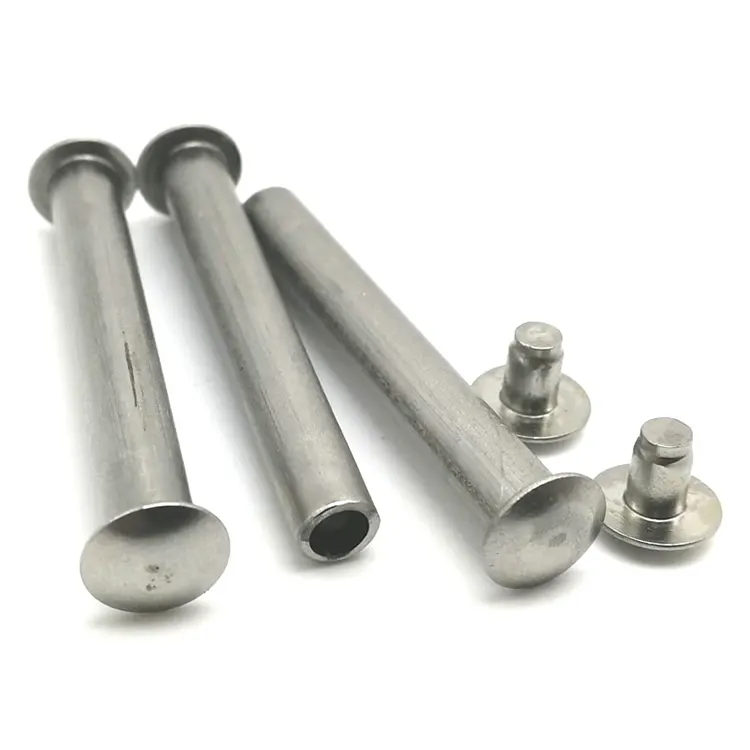
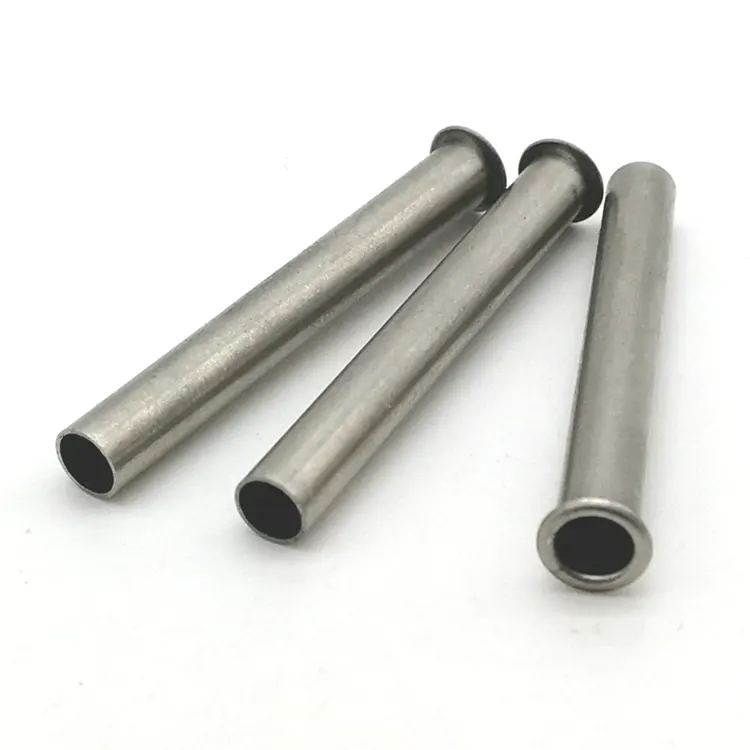
Kopparsvamphuvudnitar är mekaniska komponenter som används för att fästa två eller flera material. De har vanligtvis ett svampformat huvud och en solid eller halv-ihålig stav i andra änden. Under installationen hamras eller slås den andra änden med en specialiserad nitmaskin, vilket gör att den expanderar och formar det andra huvudet, som sedan snäpper på plats. Nuote Metals är specialist på huvudnitar av kopparsvamp. Vi erbjuder ett omfattande utbud av nitspecifikationer och använder över 40 nitmaskiner i olika storlekar för att möta kundernas behov.
Läs merSkicka förfrågan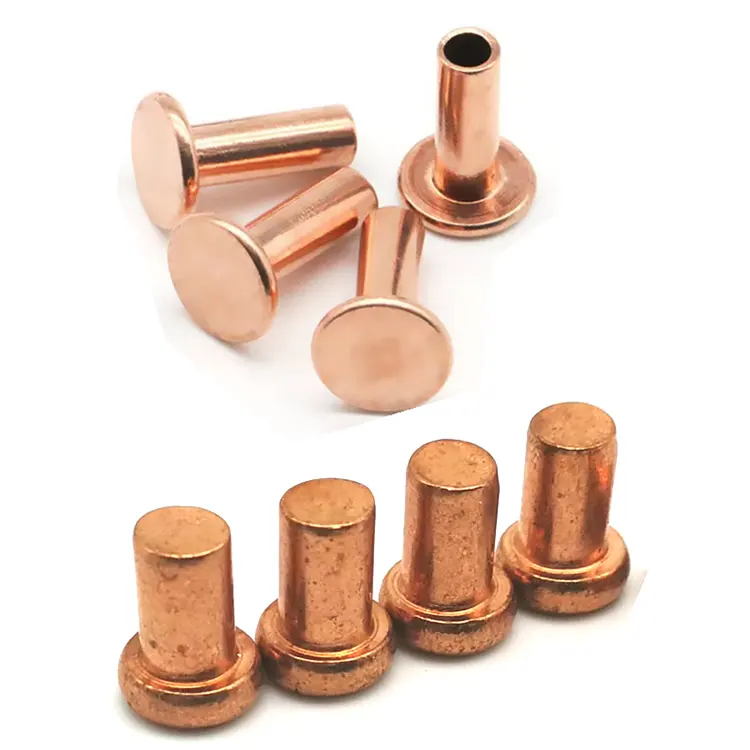
Kopparnitar med platt huvud
Nuote Metals, beläget i Dongguan, Kina, är en professionell nittillverkare. Våra nitar är av hög kvalitet och garanterad leverans, vilket ger dem ett gott rykte bland inhemska och internationella kunder. Våra kopparnitar med platt huvud är gjorda av högkvalitativ koppar, som erbjuder en slät, ömtålig yta och en stabil, fast känsla. Deras design med platt huvud ökar inte bara kontaktytan utan sprider också effektivt trycket, vilket säkerställer en mer stabil anslutning.
Läs merSkicka förfrågan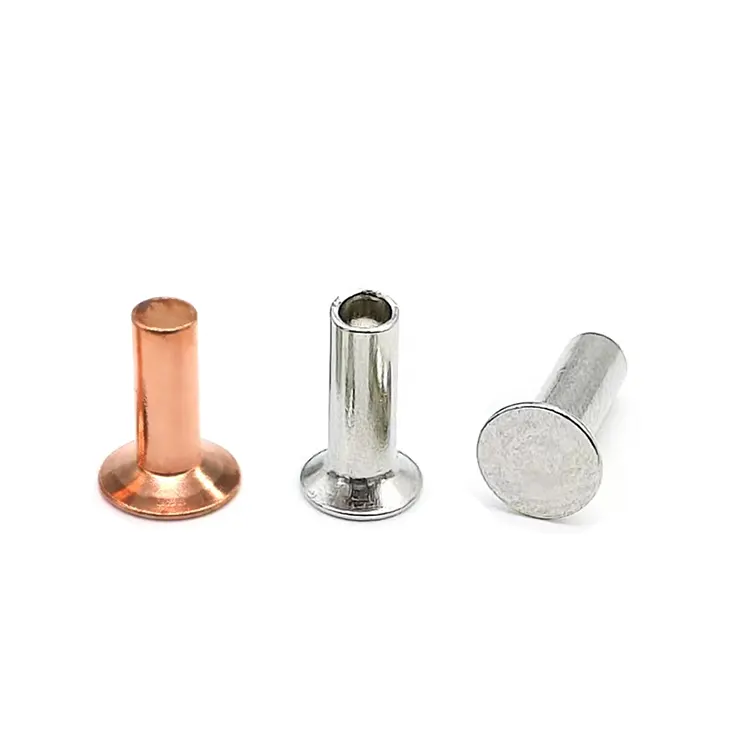
Kopparförsänkta huvudnitar
Kopparnitar med försänkta huvuden tillverkade av Nuote Metals i Kina är vanliga metallfästen som främst används inom maskintillverkning, elektronisk utrustning, möbelmontering och andra industriområden. Som ett traditionellt metallmaterial har koppar utmärkt elektrisk och termisk ledningsförmåga och korrosionsbeständighet, vilket gör det populärt i specifika applikationer. Nitar med försänkta huvuden är fästelement som tillverkas genom processer med kall eller varm smide. Deras enkla struktur kräver verktyg för nitning för att skapa en specialiserad anslutning.
Läs merSkicka förfrågan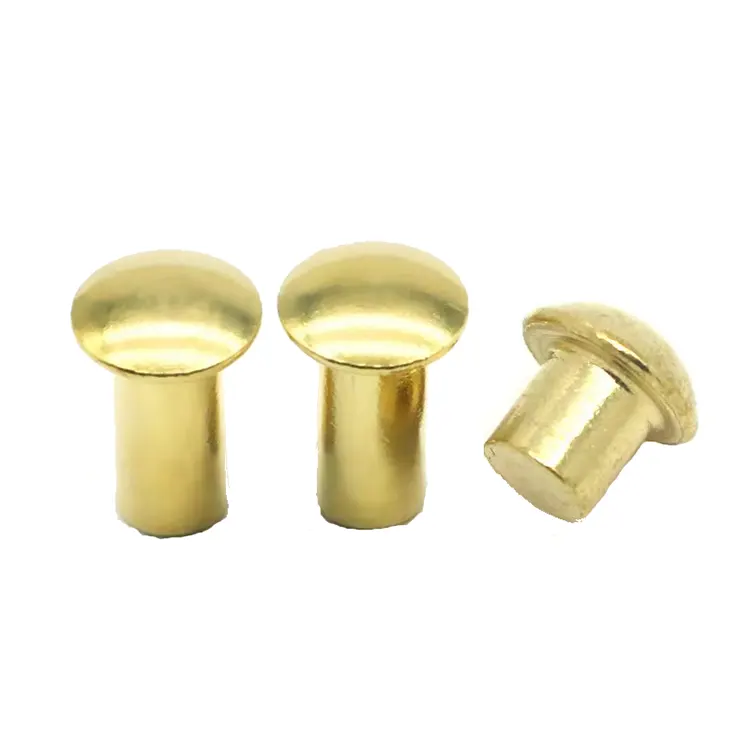
Nitar med runda huvuden i mässing
Nuote Metals är specialiserat på produktion och försäljning av nitar med runda mässing. Vi finns i Dongguan, Kina, en stad med en stark industriell utveckling. Våra kopparnitar med semi-bulgy huvud består av ett skaft och ett lock av mässingslegering. Den semi-bulgy huvuddesignen ger jämn tryckfördelning, vilket förhindrar skador på fogytan. De kännetecknas av sin kombinerade elektriska ledningsförmåga och korrosionsbeständighet, enkla konstruktion, enkla installation, höga tillförlitlighet och långa livslängd.
Läs merSkicka förfråganTillverkningsprocess för speciella nitar
Tillverkningen av specialnitar involverar flera länkar, huvudsakligen inklusive:
1.Materialval:Välj lämpliga metall- eller legeringsmaterial beroende på användningsmiljön.
2.Kall rubrik eller varm rubrik:Använd tryckbearbetning för att forma nitens grundform till metallämnet.
3.Svarvning eller fräsning:Finbearbeta detaljerna såsom huvudet och skaftet på niten för att säkerställa dimensionsnoggrannhet.
4.Ytbehandling:Såsom galvanisering, nickelplätering, anodisering, etc. för att förbättra korrosionsbeständigheten eller estetiken.
Fördelar och begränsningar med specialnitar
(1) Fördelar: De kan möta speciella behov, förbättra monteringseffektiviteten och anslutningssäkerheten och är lämpliga för komplexa eller krävande tillämpningsscenarier.
(2) Begränsningar: Eftersom de är skräddarsydda produkter är produktionskostnaden hög, leveranscykeln är relativt lång och kunderna måste tillhandahålla detaljerade tekniska parametrar.
Hur väljer man lämpliga specialnitar?
(1)Förtydliga behoven:Bestäm nyckelparametrarna såsom nitens driftsmiljö, spänningsförhållanden och krav på korrosionsbeständighet.
(2)Materialmatchning:Välj lämpligt material baserat på faktiska behov för att undvika överdesign som leder till ökade kostnader.
(3)Kommunicera med leverantörer:Tillhandahåll detaljerade tekniska ritningar eller prover för att säkerställa att specialnitarna som produceras uppfyller förväntningarna.
Vilka är de huvudsakliga användningsområdena för speciella nitar?
(1)Flyg och rymd: Flygplan, raketer och annan utrustning har extremt höga krav på fästelements vikt, styrka och högtemperaturbeständighet. Specialnitar kan optimeras efter specifika behov.
(2)Biltillverkning:Vissa specialmodeller eller högpresterande fordon kan kräva speciella nitar för att möta behoven av lätta eller höghållfasta anslutningar.
(3)Elektronisk utrustning:Precisionsinstrument eller liten elektronisk utrustning kan kräva mikrospeciella nitar för att säkerställa stabiliteten och kompaktheten i anslutningen.
(4)Byggbranschen:Vissa specialstrukturerade byggnader eller dekorationsprojekt kan använda speciella nitar för att uppfylla specifika installationskrav.
Marknadsstatus för speciella nitar
Med den industriella teknikens framsteg har fler och fler industrier börjat använda specialnitar för att optimera produktdesignen. För närvarande är tillverkare av specialnitar huvudsakligen koncentrerade till Yangtze River Delta och Pearl River Delta regioner i Kina och kan tillhandahålla en mängd olika skräddarsydda tjänster. På grund av det höga enhetspriset på specialnitar är marknadsstorleken relativt liten, men efterfrågan inom det avancerade tillverkningsområdet fortsätter att växa.
Framtida utvecklingstrender
(1)Lättviktsdesign: Med förbättringen av energisparande och miljöskyddskrav kommer specialnitar gjorda av lätta material att bli mer populära.
(2)Intelligent produktion: Automatiserad utrustning och digital hantering kommer att ytterligare förbättra produktionseffektiviteten och kvalitetsstabiliteten för specialnitar.
(3)Bredare tillämpning: Framväxande industrier som ny energi och robotik kan driva på den ökande efterfrågan på specialnitar.
Sammanfattningsvis är specialnitar högt anpassade fästelement som kan möta speciella behov som standardnitar inte kan uppfylla. Även om dess produktionskostnad är relativt hög, spelar den en oersättlig roll i industrier som flyg, bilar och elektronik. I framtiden, med framsteg inom tillverkningsteknologin, förväntas tillämpningsområdet för specialnitar att utökas ytterligare.



X
Vi använder cookies för att ge dig en bättre webbupplevelse, analysera webbplatstrafik och anpassa innehåll. Genom att använda denna sida godkänner du vår användning av cookies.
Sekretesspolicy