Specialnitar
Produkter
- View as
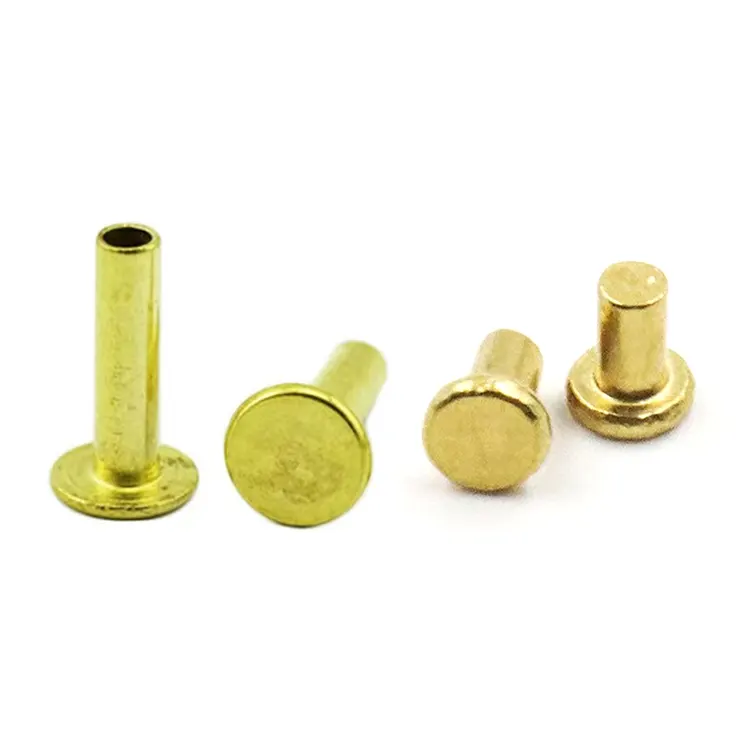
Nitar i mässing
Nuote Metals tillverkar mässingsnitar i tre utföranden – solida, semi-tubular och full tubular – som kombinerar de klassiska fördelarna med mässing med pålitlig produktionslinjeprestanda. Finns i 1,5–8,0 mm skaftdiametrar, med lackerad, förnicklad eller antik finish. ISO 9001:2015 certifierad. Gratis prover tillgängliga. Kontakta oss för en offert.
Läs merSkicka förfrågan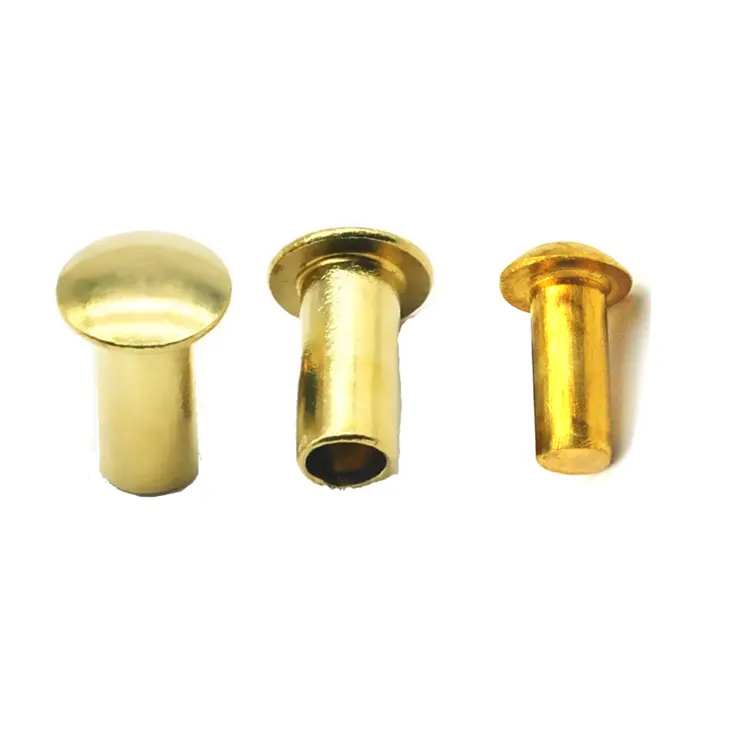
Pan Head Nitar i mässing
Nuote Metals är specialiserat på tillverkning av pannhuvudnitar i mässing. Våra nitar är gjorda av H65-mässing, som har ett högt mässingsinnehåll, är mjukt och lätt att formas och är mindre benäget att spricka under nitningsprocessen. Nitar med pannhuvud i mässing består av ett huvud och ett skaft, där skaftet är ihåligt i ungefär halva sin längd. Under installationen sätts niten in i ett förborrat hål. Med hjälp av en specialiserad nitmaskin och stans expanderar skaftets ände och bildar huvudet på andra sidan, vilket skapar en klämförbindelse. Denna process bygger på plastisk deformation av metallen, vilket eliminerar behovet av svetsning eller lim, vilket gör det enkelt och effektivt.
Läs merSkicka förfrågan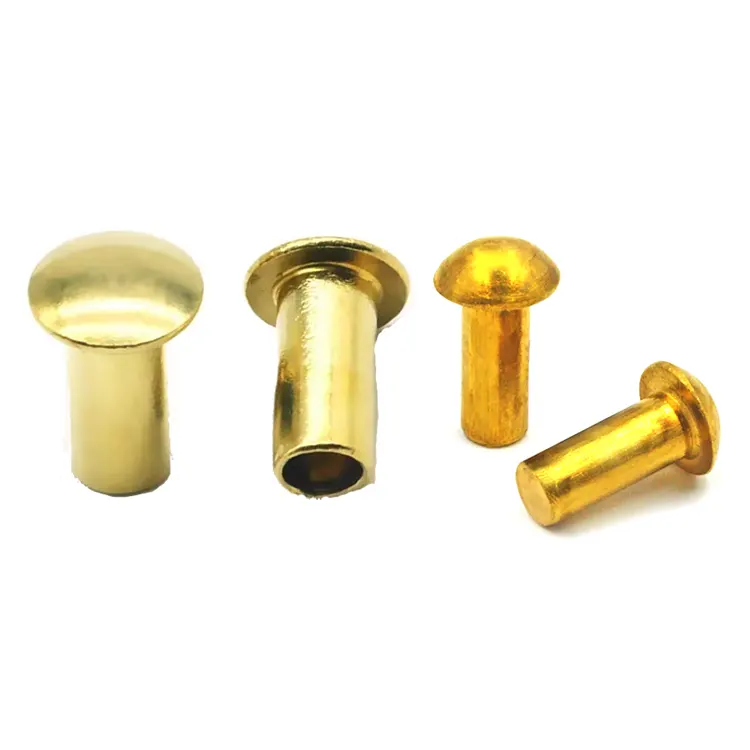
Nitar för svamphuvud i mässing
Mässingsvamphuvudnitar består av ett huvud och en kropp. Huvudet är runt och något tillplattat, liknar en svampmössa. Kroppen är halv-ihålig, vilket betyder att den har ett hål i mitten men går inte helt igenom. Dessa kallas mässing semi-hollow svamphuvudnitar. Vissa nitar har en solid kropp som kallas mässingsfasta svamphuvudnitar. Under installationen används ett specialverktyg för att föra in kroppen i det förborrade hålet. Tryck appliceras för att deformera kroppen, vilket får den att expandera och greppa materialet, vilket skapar en säker anslutning. Nuote Metals har specialiserat sig på att tillverka dessa mässingshuvudnitar för svamphuvuden.
Läs merSkicka förfrågan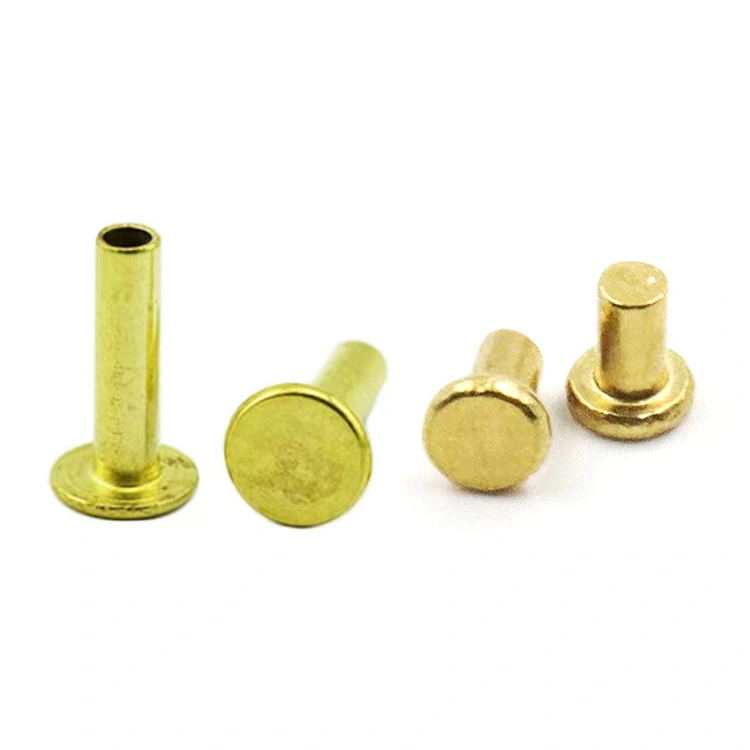
Nitar med platt huvud i mässing
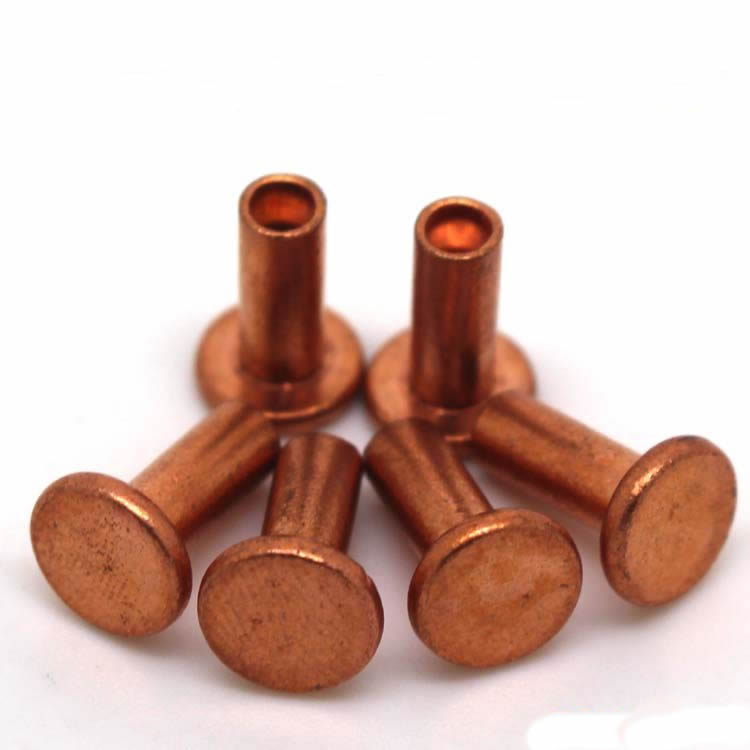
Platthuvudnitar i mässing är metallstänger med ett lock i ena änden. De uppnår nitning genom deformation eller interferenspassning och är ett vanligt fästelement. Den platta huvuddesignen reducerar ytutsprång, vilket gör den lämplig för applikationer som kräver hög planhet. Korrosionsbeständigheten hos mässing säkerställer anslutningsstabilitet även i fuktiga och korrosiva miljöer. Nuote Metals är specialiserat på tillverkning av nitar med platt huvud i mässing. Vi har tusentals formar och kan producera en mängd olika nitspecifikationer. Vi stöder även anpassade mönster och prover.
Läs merSkicka förfrågan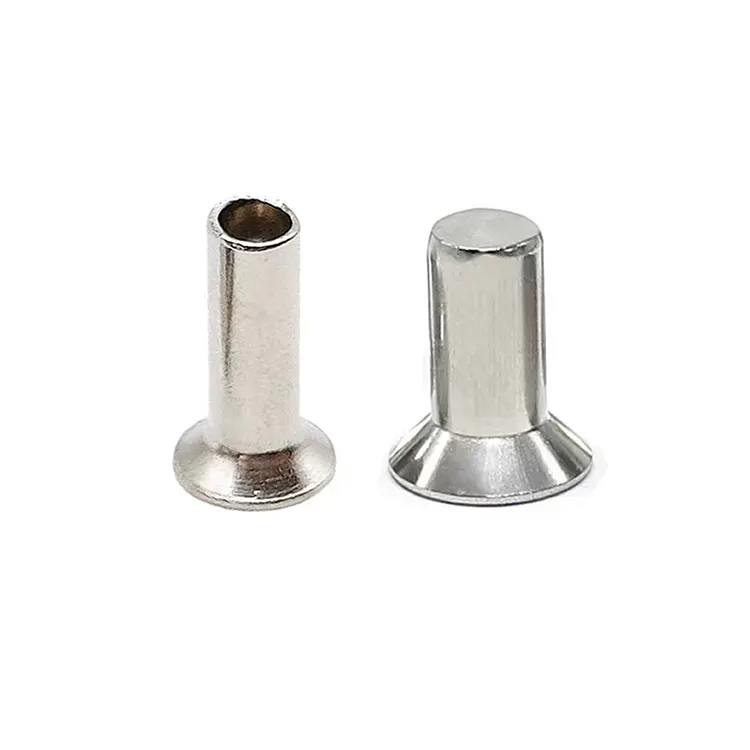
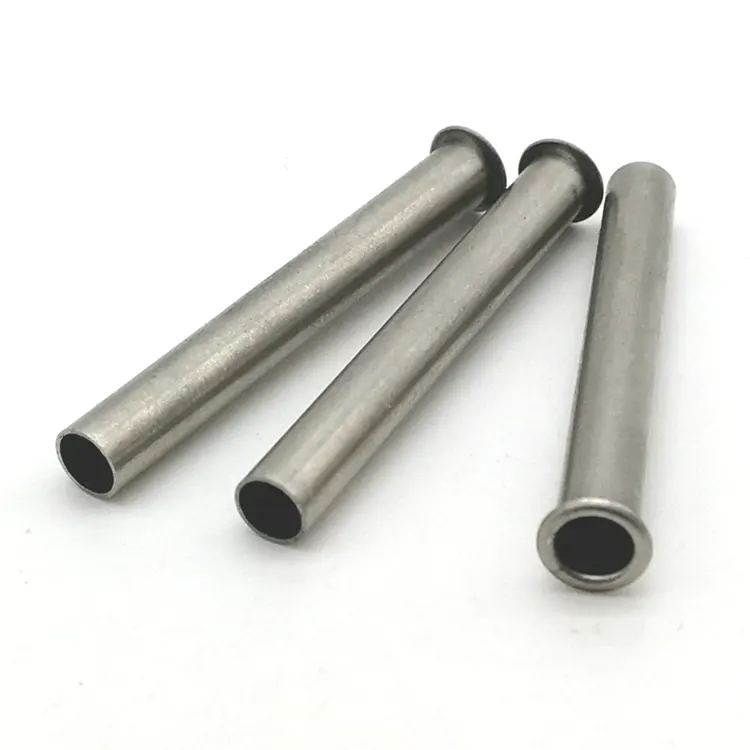
Försänkta huvudnitar i mässing
Nitar med försänkt huvud i mässing består huvudsakligen av ett huvud och ett skaft. Det försänkta huvudet möjliggör montering i plan med arbetsstyckets yta, vilket eliminerar utsprång som kan påverka utseende eller funktion. Det halv-ihåliga skaftet deformeras under nitningsprocessen, vilket ger en anslutning. Denna design förbättrar inte bara installationseffektiviteten utan förbättrar också anslutningssäkerheten. Nuote Metals specialiserar sig på tillverkning av nitar med försänkta huvuden i mässing, med hög precision och en slät, repfri yta. Vi välkomnar vänner från hela världen att besöka vårt företag och samarbeta med oss.
Läs merSkicka förfrågan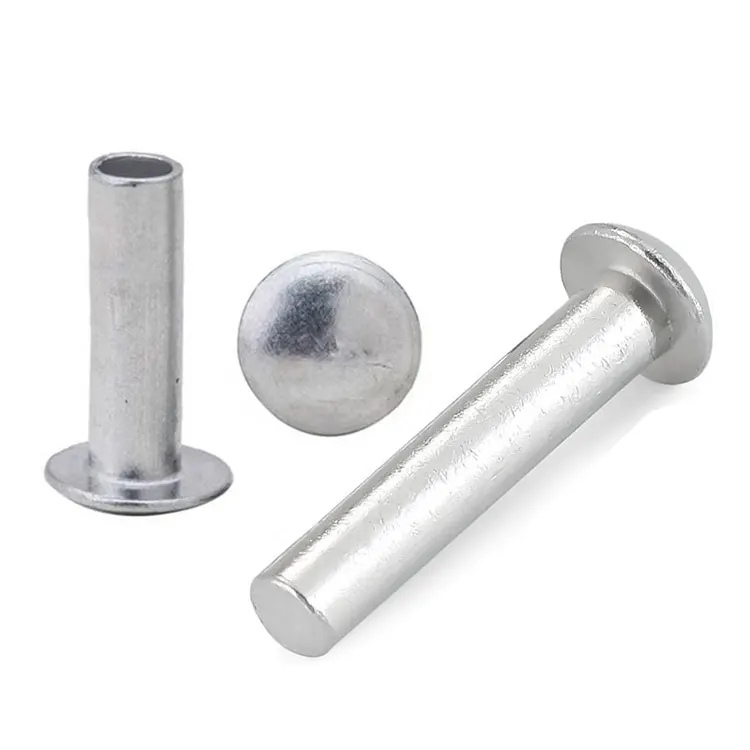
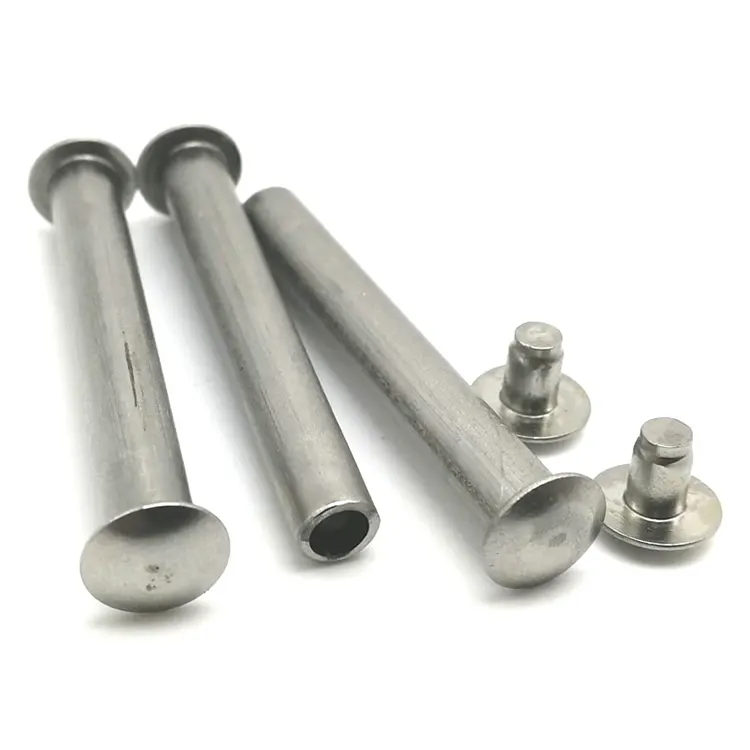
Aluminiumnitar med rund huvud
Aluminiumnitar med runda huvuden används ofta inom olika områden på grund av deras lätta vikt, höga hållfasthet, korrosionsbeständighet och utmärkta anslutningsegenskaper. Nuote Metals är en kinesisk tillverkare som specialiserat sig på produktion av nitar med runda aluminiumhuvud. Våra nitar exporteras över hela världen och vi välkomnar kunder att besöka oss för förfrågningar.
Läs merSkicka förfråganTillverkningsprocess för speciella nitar
Tillverkningen av specialnitar involverar flera länkar, huvudsakligen inklusive:
1.Materialval:Välj lämpliga metall- eller legeringsmaterial beroende på användningsmiljön.
2.Kall rubrik eller varm rubrik:Använd tryckbearbetning för att forma nitens grundform till metallämnet.
3.Svarvning eller fräsning:Finbearbeta detaljerna såsom huvudet och skaftet på niten för att säkerställa dimensionsnoggrannhet.
4.Ytbehandling:Såsom galvanisering, nickelplätering, anodisering, etc. för att förbättra korrosionsbeständigheten eller estetiken.
Fördelar och begränsningar med specialnitar
(1) Fördelar: De kan möta speciella behov, förbättra monteringseffektiviteten och anslutningssäkerheten och är lämpliga för komplexa eller krävande tillämpningsscenarier.
(2) Begränsningar: Eftersom de är skräddarsydda produkter är produktionskostnaden hög, leveranscykeln är relativt lång och kunderna måste tillhandahålla detaljerade tekniska parametrar.
Hur väljer man lämpliga specialnitar?
(1)Förtydliga behoven:Bestäm nyckelparametrarna såsom nitens driftsmiljö, spänningsförhållanden och krav på korrosionsbeständighet.
(2)Materialmatchning:Välj lämpligt material baserat på faktiska behov för att undvika överdesign som leder till ökade kostnader.
(3)Kommunicera med leverantörer:Tillhandahåll detaljerade tekniska ritningar eller prover för att säkerställa att specialnitarna som produceras uppfyller förväntningarna.
Vilka är de huvudsakliga användningsområdena för speciella nitar?
(1)Flyg och rymd: Flygplan, raketer och annan utrustning har extremt höga krav på fästelements vikt, styrka och högtemperaturbeständighet. Specialnitar kan optimeras efter specifika behov.
(2)Biltillverkning:Vissa specialmodeller eller högpresterande fordon kan kräva speciella nitar för att möta behoven av lätta eller höghållfasta anslutningar.
(3)Elektronisk utrustning:Precisionsinstrument eller liten elektronisk utrustning kan kräva mikrospeciella nitar för att säkerställa stabiliteten och kompaktheten i anslutningen.
(4)Byggbranschen:Vissa specialstrukturerade byggnader eller dekorationsprojekt kan använda speciella nitar för att uppfylla specifika installationskrav.
Marknadsstatus för speciella nitar
Med den industriella teknikens framsteg har fler och fler industrier börjat använda specialnitar för att optimera produktdesignen. För närvarande är tillverkare av specialnitar huvudsakligen koncentrerade till Yangtze River Delta och Pearl River Delta regioner i Kina och kan tillhandahålla en mängd olika skräddarsydda tjänster. På grund av det höga enhetspriset på specialnitar är marknadsstorleken relativt liten, men efterfrågan inom det avancerade tillverkningsområdet fortsätter att växa.
Framtida utvecklingstrender
(1)Lättviktsdesign: Med förbättringen av energisparande och miljöskyddskrav kommer specialnitar gjorda av lätta material att bli mer populära.
(2)Intelligent produktion: Automatiserad utrustning och digital hantering kommer att ytterligare förbättra produktionseffektiviteten och kvalitetsstabiliteten för specialnitar.
(3)Bredare tillämpning: Framväxande industrier som ny energi och robotik kan driva på den ökande efterfrågan på specialnitar.
Sammanfattningsvis är specialnitar högt anpassade fästelement som kan möta speciella behov som standardnitar inte kan uppfylla. Även om dess produktionskostnad är relativt hög, spelar den en oersättlig roll i industrier som flyg, bilar och elektronik. I framtiden, med framsteg inom tillverkningsteknologin, förväntas tillämpningsområdet för specialnitar att utökas ytterligare.



X
Vi använder cookies för att ge dig en bättre webbupplevelse, analysera webbplatstrafik och anpassa innehåll. Genom att använda denna sida godkänner du vår användning av cookies.
Sekretesspolicy