Specialnitar
Produkter
- View as
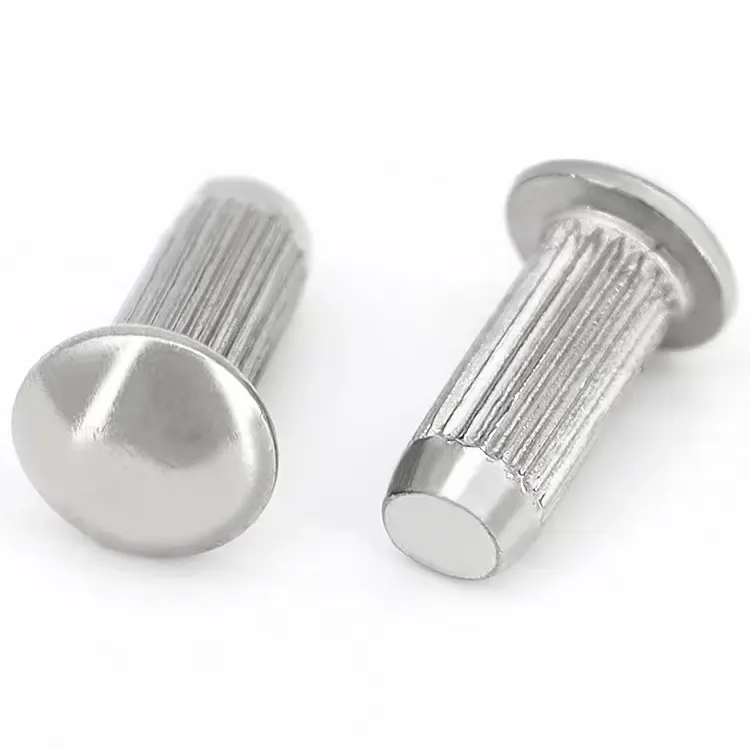
Riftade nitar
Räfflade nitar består vanligtvis av ett huvud, skaft och svans. Skaftet har ett diagonalt eller rakt räfflat mönster, en bearbetad, präglad textur som ger bättre grepp under installationen och förhindrar att verktyget glider. Skaftet är cylindriskt, med längd och diameter varierande beroende på applikation. Vanliga storlekar sträcker sig från 3 mm till 8 mm i diameter och 5 mm till 20 mm i längd. Svansen kan också ha gängor eller spår för att passa med muttrar eller andra fästelement.
Läs merSkicka förfrågan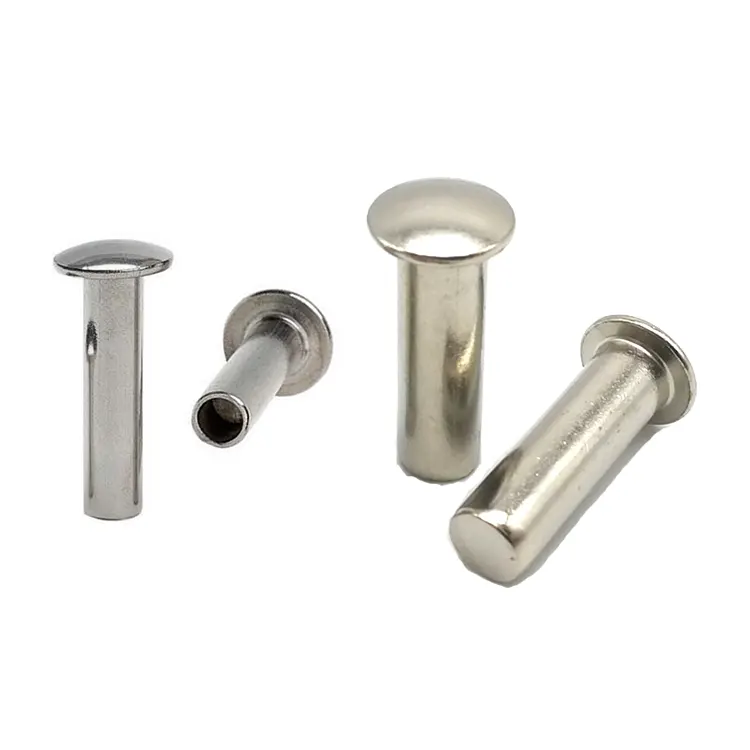
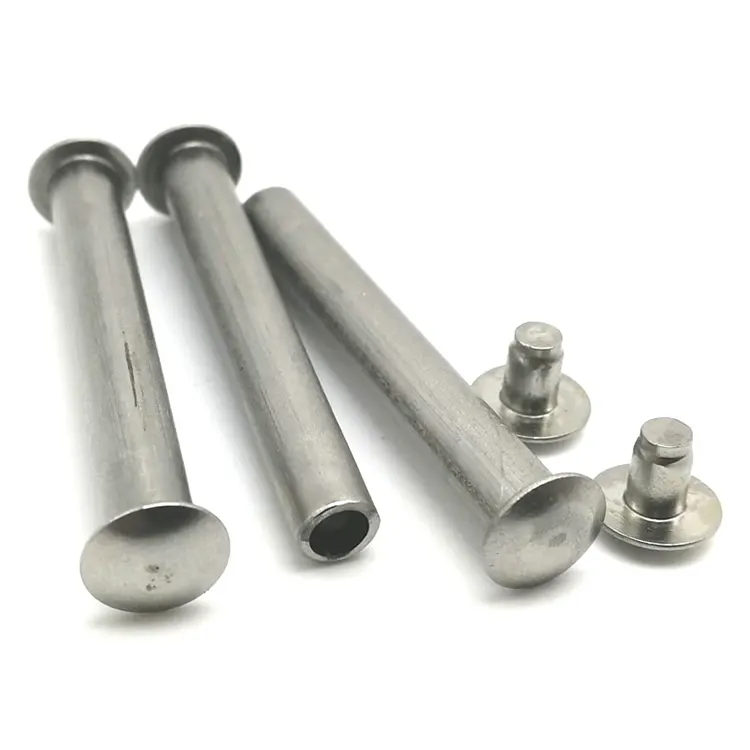
Järnnitar med runda huvud
Järnnitar med runda huvuden är ett fästelement som ofta används i industriell tillverkning och vardagsliv. Deras unika design och utmärkta prestanda gör dem till ett toppval inom många områden. Nuote Metals är specialiserat på tillverkning av järnnitar med runda huvuden. Måtten på våra nitar följer strikt de toleranser som anges på kundens ritningar. Varje process är föremål för en kvalitetskontrollcykel för att säkerställa kvaliteten på slutprodukten. Vi har dussintals maskiner för kall riktning, med en daglig produktion på tiotals miljoner nitar.
Läs merSkicka förfrågan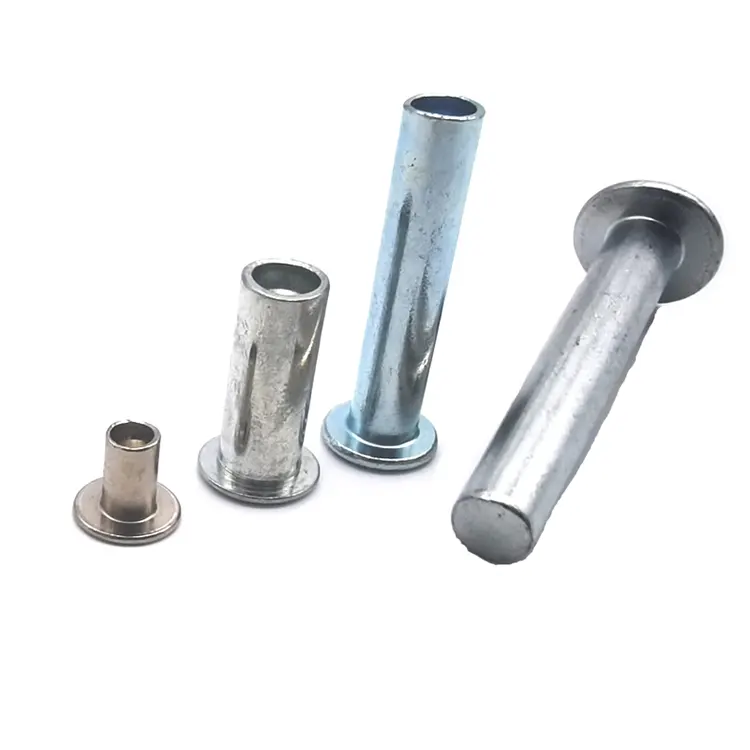
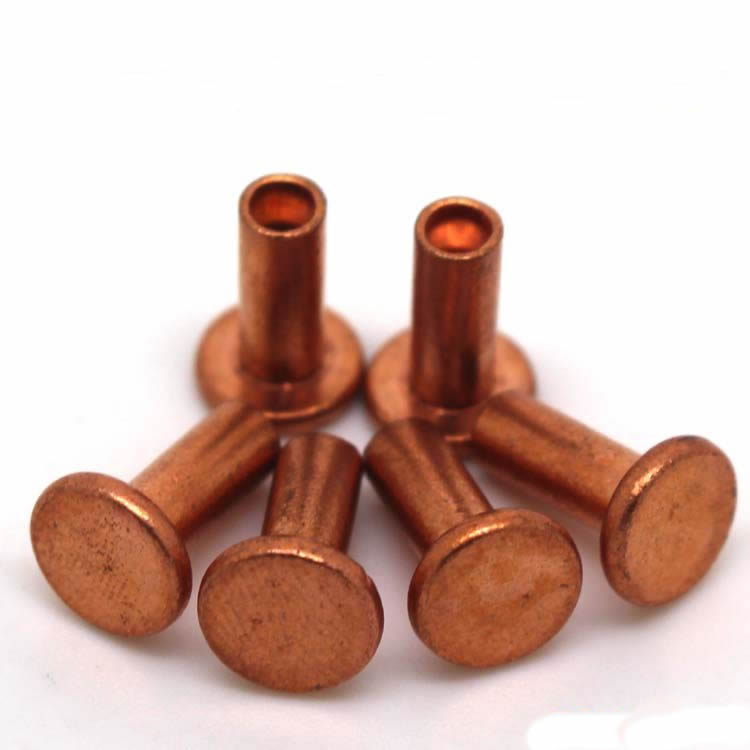
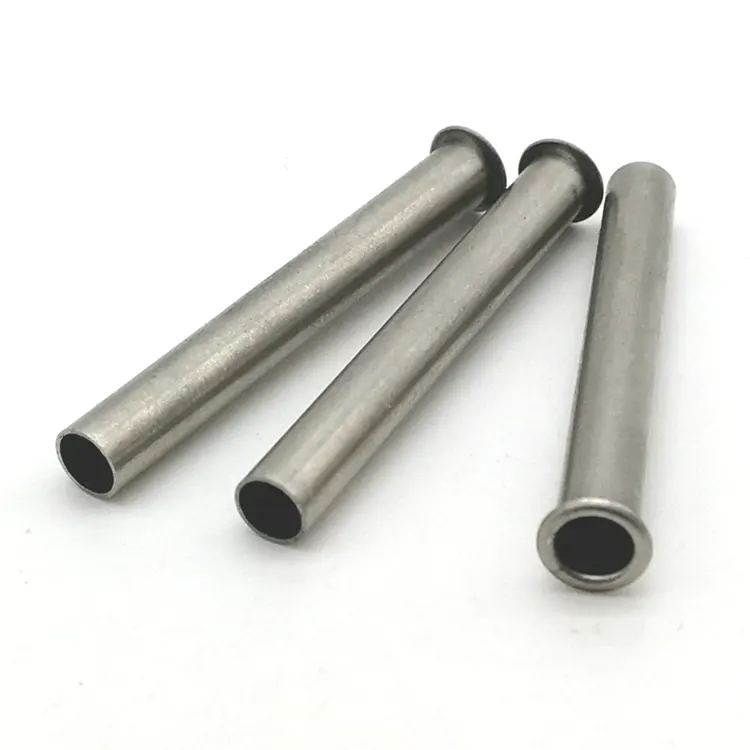
Järnnitar
Nuote Metals tillverkar järnnitar i solida, semi-rörformade och helrörsformade konstruktioner – vilket ger den bästa kombinationen av styrka och ekonomi vid industriell fästning. Finns i 1,5–8,0 mm skaftdiametrar med zinkplätering eller svartoxidfinish.
Läs merSkicka förfrågan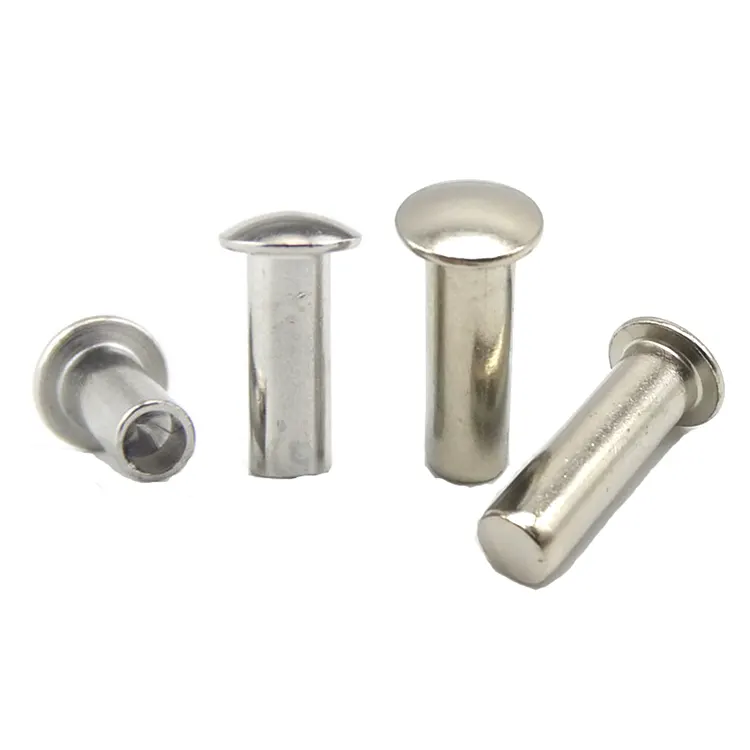
Nitar med pannhuvud av järn
Nitar med pannhuvud i järn, med sina lätta, korrosionsbeständiga och estetiskt tilltalande egenskaper, har blivit mångsidiga allroundare inom industriell tillverkning. Oavsett om det är i viktkritiska applikationer eller i vardagen erbjuder järnnitar med pannhuvudet exceptionell prestanda och tillförlitlighet. Välkommen till Nuote Metals i Dongguan, Kina, en specialist på dessa nitar. Vi erbjuder högkvalitativa produkter med garanterad leverans. Vi tillverkar även andra hårdvarutillbehör, såsom öljetter, bearbetade delar och stämplade delar.
Läs merSkicka förfrågan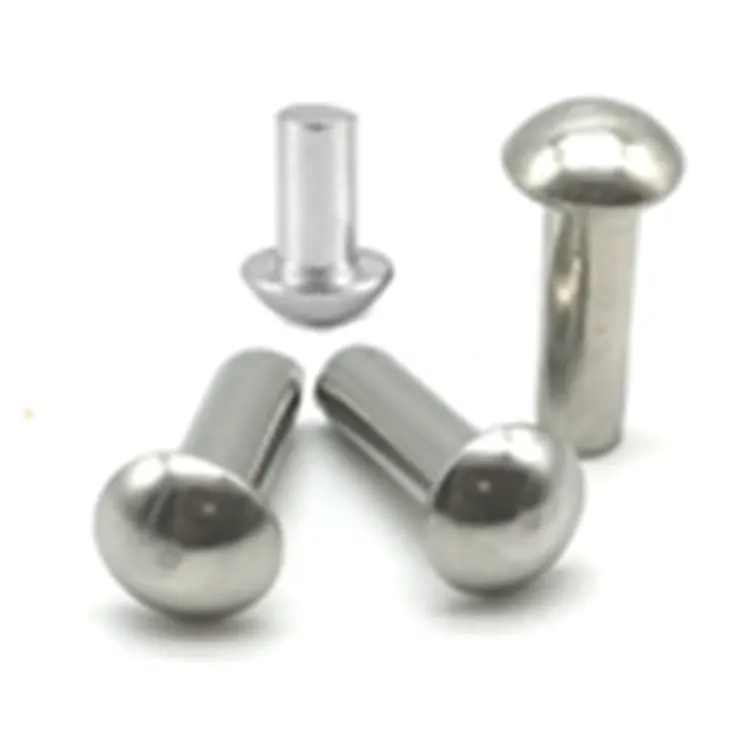
Järnsvamphuvudnitar
Nuote Metals är en professionell nittillverkare belägen i Dongguan, Kina. Våra järnsvamphuvudnitar, som namnet antyder, har ett svampformat huvud med antingen en halv-ihålig eller solid kärna. Huvudet är vanligtvis större, vilket ger en bra bäryta. Denna struktur möjliggör deformation under installationen, antingen genom extrudering eller specialverktyg, för att säkert ansluta två eller flera material. Tillverkade av järn är de vanligtvis galvaniserade eller behandlade med andra ytbehandlingar för korrosionsbeständighet.
Läs merSkicka förfrågan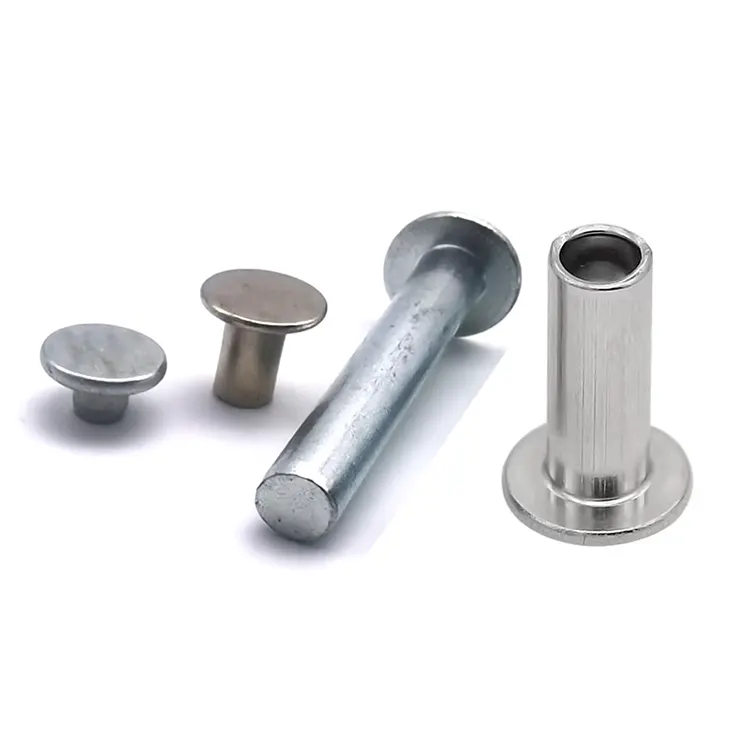
Stryknitar med platt huvud
Som ett vanligt mekaniskt kopplingsdon intar järnnitar med platt huvud en viktig position inom flera industriella områden på grund av deras designegenskaper och breda användningsområde. Strukturellt är nithuvudet platt, skivformat och kroppen är cylindrisk. Slutet är speciellt bearbetat för att bilda en rubbad struktur. Efter installation får tryck eller stötar kroppen att expandera, vilket bildar ett mekaniskt ingrepp med hålväggen för att uppnå en åtdragande effekt. Jämfört med nitar med runda huvuden eller nitar med försänkt huvud har den platta huvuddesignen betydande fördelar i kraftfördelning och kontaktyta. Till exempel, när det utsätts för skjuvkraft, kan dess skivformade huvud sprida belastningen till ett större område, vilket effektivt minskar trycket per ytenhet.
Läs merSkicka förfråganTillverkningsprocess för speciella nitar
Tillverkningen av specialnitar involverar flera länkar, huvudsakligen inklusive:
1.Materialval:Välj lämpliga metall- eller legeringsmaterial beroende på användningsmiljön.
2.Kall rubrik eller varm rubrik:Använd tryckbearbetning för att forma nitens grundform till metallämnet.
3.Svarvning eller fräsning:Finbearbeta detaljerna såsom huvudet och skaftet på niten för att säkerställa dimensionsnoggrannhet.
4.Ytbehandling:Såsom galvanisering, nickelplätering, anodisering, etc. för att förbättra korrosionsbeständigheten eller estetiken.
Fördelar och begränsningar med specialnitar
(1) Fördelar: De kan möta speciella behov, förbättra monteringseffektiviteten och anslutningssäkerheten och är lämpliga för komplexa eller krävande tillämpningsscenarier.
(2) Begränsningar: Eftersom de är skräddarsydda produkter är produktionskostnaden hög, leveranscykeln är relativt lång och kunderna måste tillhandahålla detaljerade tekniska parametrar.
Hur väljer man lämpliga specialnitar?
(1)Förtydliga behoven:Bestäm nyckelparametrarna såsom nitens driftsmiljö, spänningsförhållanden och krav på korrosionsbeständighet.
(2)Materialmatchning:Välj lämpligt material baserat på faktiska behov för att undvika överdesign som leder till ökade kostnader.
(3)Kommunicera med leverantörer:Tillhandahåll detaljerade tekniska ritningar eller prover för att säkerställa att specialnitarna som produceras uppfyller förväntningarna.
Vilka är de huvudsakliga användningsområdena för speciella nitar?
(1)Flyg och rymd: Flygplan, raketer och annan utrustning har extremt höga krav på fästelements vikt, styrka och högtemperaturbeständighet. Specialnitar kan optimeras efter specifika behov.
(2)Biltillverkning:Vissa specialmodeller eller högpresterande fordon kan kräva speciella nitar för att möta behoven av lätta eller höghållfasta anslutningar.
(3)Elektronisk utrustning:Precisionsinstrument eller liten elektronisk utrustning kan kräva mikrospeciella nitar för att säkerställa stabiliteten och kompaktheten i anslutningen.
(4)Byggbranschen:Vissa specialstrukturerade byggnader eller dekorationsprojekt kan använda speciella nitar för att uppfylla specifika installationskrav.
Marknadsstatus för speciella nitar
Med den industriella teknikens framsteg har fler och fler industrier börjat använda specialnitar för att optimera produktdesignen. För närvarande är tillverkare av specialnitar huvudsakligen koncentrerade till Yangtze River Delta och Pearl River Delta regioner i Kina och kan tillhandahålla en mängd olika skräddarsydda tjänster. På grund av det höga enhetspriset på specialnitar är marknadsstorleken relativt liten, men efterfrågan inom det avancerade tillverkningsområdet fortsätter att växa.
Framtida utvecklingstrender
(1)Lättviktsdesign: Med förbättringen av energisparande och miljöskyddskrav kommer specialnitar gjorda av lätta material att bli mer populära.
(2)Intelligent produktion: Automatiserad utrustning och digital hantering kommer att ytterligare förbättra produktionseffektiviteten och kvalitetsstabiliteten för specialnitar.
(3)Bredare tillämpning: Framväxande industrier som ny energi och robotik kan driva på den ökande efterfrågan på specialnitar.
Sammanfattningsvis är specialnitar högt anpassade fästelement som kan möta speciella behov som standardnitar inte kan uppfylla. Även om dess produktionskostnad är relativt hög, spelar den en oersättlig roll i industrier som flyg, bilar och elektronik. I framtiden, med framsteg inom tillverkningsteknologin, förväntas tillämpningsområdet för specialnitar att utökas ytterligare.



X
Vi använder cookies för att ge dig en bättre webbupplevelse, analysera webbplatstrafik och anpassa innehåll. Genom att använda denna sida godkänner du vår användning av cookies.
Sekretesspolicy